For a long time, many sports grew up trying to attract as many people as possible under the same proposal.
The paddle He did something different.
Instead of creating a single experience for all, he built multiple ways of living sport.
Today there are players who train to compete professionally, others who just want to stay active, people who use the paddle to make networkingcompanies that organize tournaments with customers and entire communities that find in this sport a space to socialize.
That may be one of the most important reasons behind its global growth.
The paddle does not force everyone to live it the same way.
It allows each player to find their own place within the ecosystem.
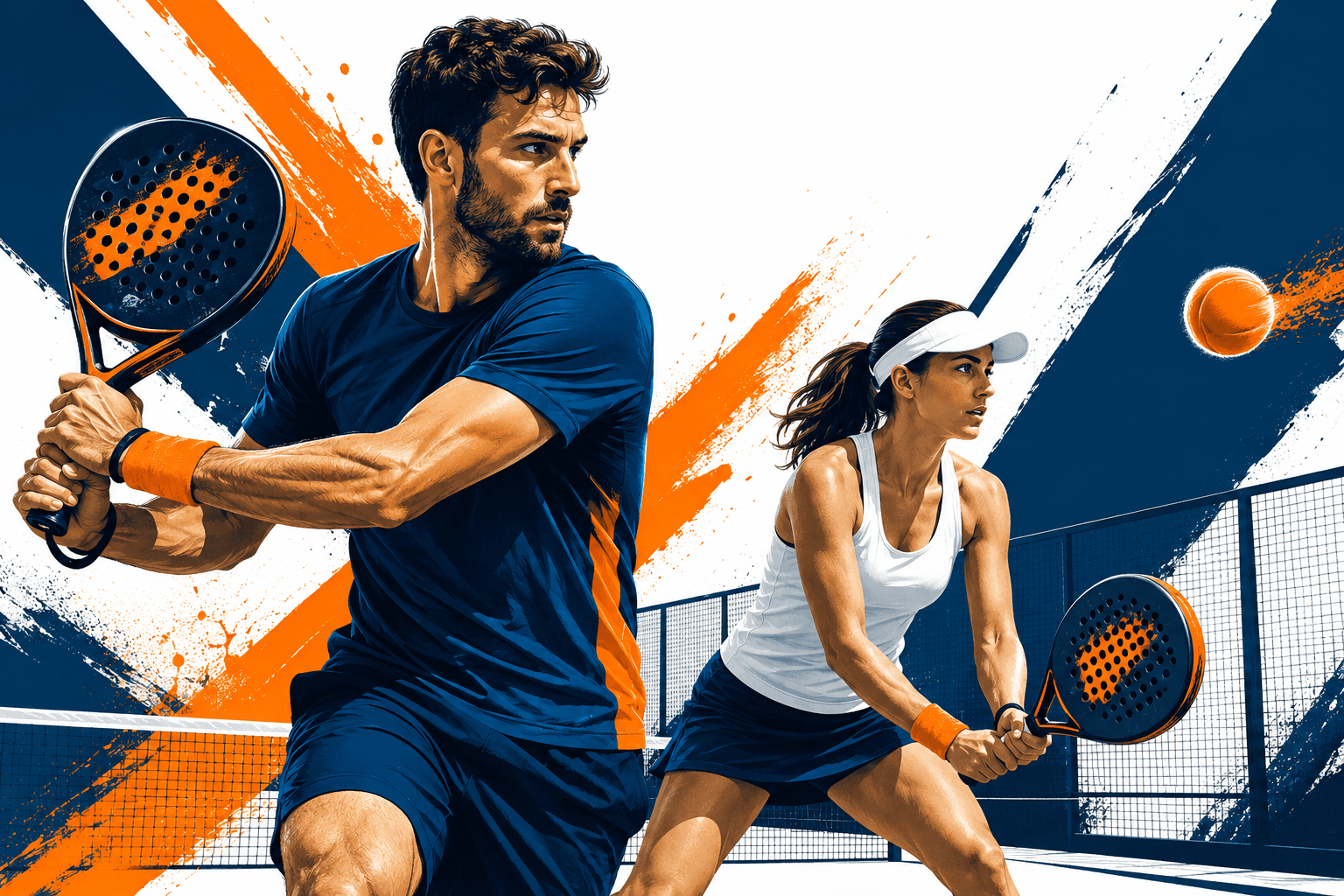
The competitive player: where performance remains the goal
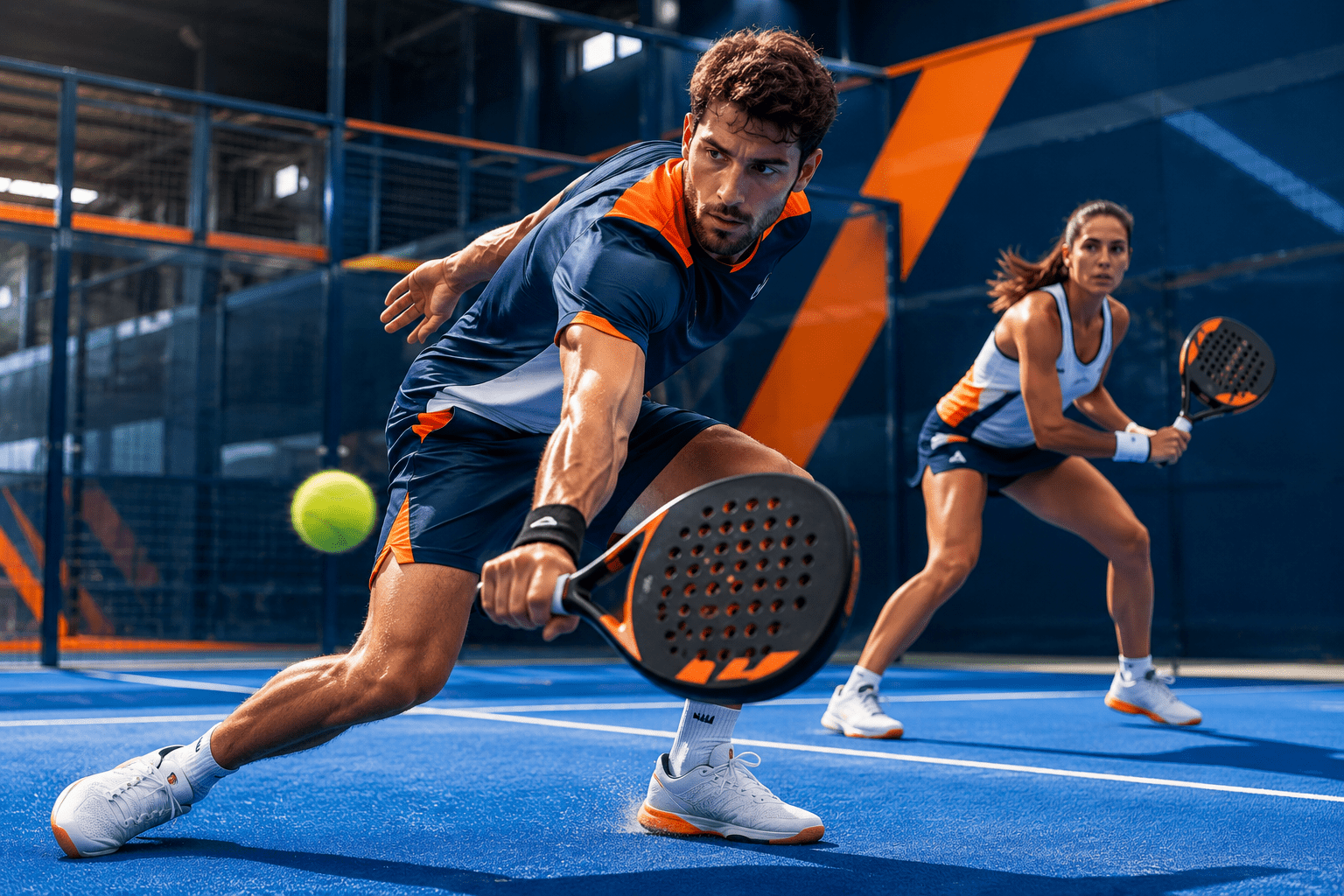
For many, the paddle remains a competition.
Professional circuits such as Premier Pádel and the International Pádel Federation (FIP) have raised the level of sport, promoting international rankings, specialized academies and much more structured training processes.
At the same time, thousands of amateur players train weekly with the aim of ascending category, improving their level or competing in regional tournaments.
Technology has also accompanied this development.
There are increasingly tools to record results, measure performance and participate in organized competitions.
The competitive player today finds a much more developed ecosystem than just a few years ago.
The social player: competing can also be a way to meet people
But the growth of the paddle is not explained only from competition.
In many clubs around the world, the formats that have grown the most are just those where the result is no longer the most important.
The American-style tournaments, Round Robin, King of the Court or mixed events have won the lead because they offer something different:
the possibility of playing with many different people during the same day.
These formats reduce competitive pressure, promote integration between levels and make each tournament a social experience.
In markets like Spain and Latin America, such events have become one of the main entry doors for new players.
It is no coincidence that more and more clubs incorporate them into their regular programming.
The corporate player: when sport also builds relationships
A few years ago it was hard to imagine a business meeting inside a paddle court.
It happens often today.
Companies from different sectors are using sport to strengthen customer relationships, generate networking spaces and develop integration activities for their teams.
The paddle offers something that few sports achieve:
a natural conversation while a shared activity occurs.
There are no long waiting, nor are there technical barriers to participation.
The result is experiences where sport works as a relationship facilitator.
And this has opened up a new dimension for ecosystem growth.
The digital player: experience begins before entering the court
Another important transformation occurs from the cell.
Platforms like Playtomic have changed the way millions of players live the paddle.
Today it is possible:
- reserve courts in seconds;
- find players with a similar level;
- Enroll in tournaments;
- consult statistics;
- managing schedules and results from a single application.
The game no longer starts when the first point begins.
It starts a lot earlier.
And it goes on even after it's over.
The digitization has made paddle a connected experience, where technology facilitates participation and strengthens the community.
The Lifestyle player: when the club stops being just a place to play
Maybe one of the most interesting changes is happening in the club concept.
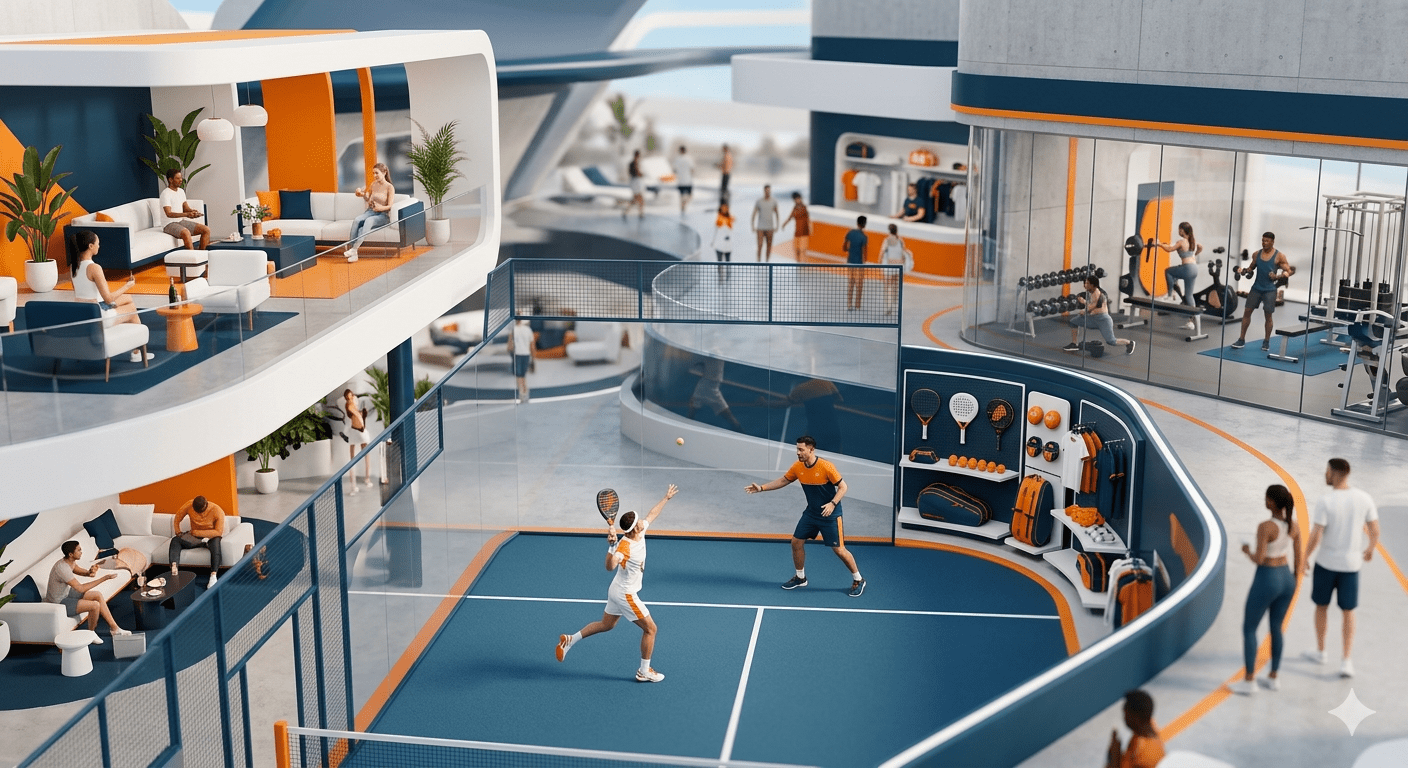
In cities like Madrid, Miami, New York or Dubai spaces are appearing that understand that the player is looking for much more than a court.
Clubs such as Padel Haus, Reserve Padel or new premium complexes include cafés, wellness areas, coworking, specialized shops and a permanent agenda of events.
The goal is no longer just to rent a court.
It's building community.
People stay longer, work from the club, participate in social activities and make the paddle part of their lifestyle.
Sport is no longer an isolated activity to become a space where well-being, entertainment and personal relationships converge.
Colombia is also building its own way of living the pádel
The interesting thing is that this development can already be observed in Colombia.
We find more and more often:
- social tournaments and inclusive formats;
- digital platforms for organizing parties and competitions;
- clubs that seek to offer more complete experiences;
- players that create content and strengthen communities;
- brands that find in the paddle a natural environment to connect with new audiences.
All this shows that the growth of sport no longer depends solely on the number of players.
It depends on the diversity of experiences it is able to offer.
An industry that grows because it understands people
Maybe the biggest hit of the paddle was never to build more courts.
- It was understanding that not all people They look for the same thing..
- Some They want to compete.
- Others are looking to exercise.
- Many They want to meet people..
- There are those who find business opportunities.
- And others just enjoy being part of a community.
This ability to adapt to different profiles explains why the paddle continues to grow in such different markets around the world.
More than a sport, it has become an ecosystem where each player finds a different way to participate.
And there's probably the real explanation for your success.
In 3Sixty Padel we believe that the growth of sport does not depend solely on the number of players.
It depends on the ecosystem's ability to offer experiences that respond to different profiles, objectives and ways of living the paddle.
Because when a sport gets each person to find their own place within it, it stops being a trend and starts building a community.